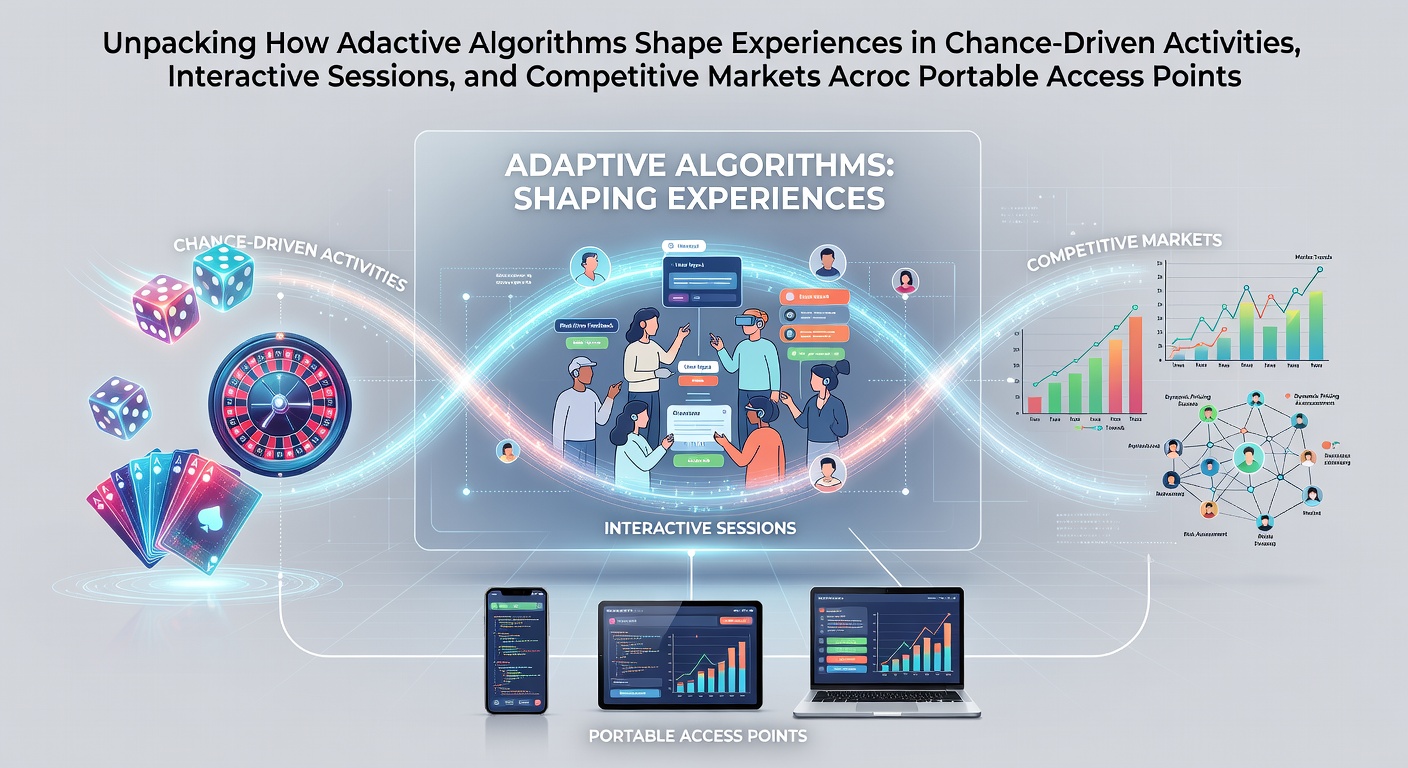
Unpacking How Adaptive Algorithms Shape Experiences in Chance-Driven Activities, Interactive Sessions, and Competitive Markets Across Portable Access Points
Adaptive algorithms have become central to digital gaming platforms that operate across mobile devices, and they continuously adjust parameters based on user behavior patterns, session duration, and engagement metrics. These systems process large volumes of data in real time to modify game elements such as reel configurations in chance-driven activities, response timing in interactive sessions, and odds presentation in competitive markets. Observers note that portable access points enable constant data flow, which allows the algorithms to refine outputs without interrupting play flow.
Studies from the University of Nevada, Las Vegas show that machine learning models track player selections and adjust return-to-player percentages within predefined regulatory limits during slot sessions. Data indicates these adjustments occur through reinforcement learning techniques that prioritize sequences aligned with observed preferences, while maintaining compliance standards set by licensing authorities. Those who monitor industry reports highlight how such mechanisms operate in background processes, altering symbol frequencies or bonus trigger rates based on cumulative play history.
Algorithmic Adjustments in Chance-Driven Activities
Chance-driven activities like digital slots rely on algorithms that analyze spin outcomes and player retention signals to fine-tune volatility levels. Research indicates these models identify clusters of low-engagement periods and introduce subtle shifts in payout distribution to sustain session length, all while operating within audited random number generator frameworks. Figures from European gaming analytics firms reveal that platforms using these techniques report measurable increases in average session times across mobile networks.
Take one developer who integrated adaptive features into progressive jackpot systems, where the algorithm reallocates contribution rates from different player tiers during peak mobile usage hours. This process connects directly to broader market data streams, enabling dynamic updates that reflect collective activity without altering core probability structures. What's interesting is how these changes remain invisible to users yet produce distinct experiential variations across different devices and connection speeds.
Personalization in Interactive Sessions
Interactive sessions involving live dealer formats incorporate algorithms that monitor response latency, chat interactions, and betting patterns to customize table pacing and dealer prompts. According to reports compiled by the Australian Gambling Research Centre, these systems employ natural language processing to match game speed with user tempo, which helps maintain engagement across varied time zones and device types. The algorithms also synchronize multi-player dynamics by prioritizing table assignments based on historical performance data from similar profiles.

People who've studied deployment logs observe that real-time feedback loops allow platforms to adjust camera angles or side-bet options mid-session, creating individualized pathways through the same shared game environment. This occurs alongside standard regulatory oversight that requires transparency in how decisions are generated, particularly when May 2026 updates to cross-border data protocols take effect in several jurisdictions. Those protocols emphasize audit trails for algorithmic decisions that influence live game flow.
Effects on Competitive Markets and Mobile Access
Competitive markets such as sports wagering utilize adaptive models to present tailored market selections and promotional structures derived from user location data, device performance, and historical wager types. Evidence from Canadian regulatory summaries demonstrates that these algorithms balance liquidity across betting pools while adapting display priorities to individual risk profiles, all processed through secure mobile gateways. The systems integrate external feeds for live event updates and recalibrate recommendation engines accordingly.
But here's the thing: portable access points introduce variables like network stability and battery constraints that algorithms must account for when delivering content. Researchers discovered that predictive caching techniques preload likely outcomes or interface elements, which reduces latency during high-stakes moments in both wagering and table environments. This integration creates seamless transitions between different activity types on a single device without requiring manual reconfiguration.
Conclusion
Adaptive algorithms continue to influence how users encounter chance-driven activities, interactive sessions, and competitive markets through portable access points by processing behavioral signals and environmental factors in coordinated ways. Data shows these mechanisms operate within established legal and technical boundaries, with ongoing refinements tied to hardware advancements and regulatory timelines such as those anticipated around May 2026. Observers continue to track their evolution through industry metrics that document engagement patterns across global mobile networks.