
Threading the Needle: How Payment Options Weave Through Jackpot Hunts, Table Plays, and Betting Lines in Digital Mobile Spaces
Payment systems in digital mobile environments connect players to jackpot opportunities, table game sessions, and sports betting markets through structured transaction pathways that vary by method and timing. Research from industry reports shows that e-wallets, bank transfers, and card options each follow distinct processing routes that influence session length and game selection across platforms. Data indicates mobile users often switch between these methods depending on whether they pursue progressive jackpots, engage in live table rounds, or track live betting lines.
Payment Pathways Across Game Categories
Jackpot hunts on mobile slots rely heavily on instant deposit features that allow repeated spins without interruption, while table plays demand verification steps that can extend setup time before cards hit the felt. Sports betting lines meanwhile integrate real-time odds updates with deposit confirmations that must clear before wagers lock in. Observers note that platforms optimize these flows differently because jackpot mechanics reward speed, table games emphasize security protocols, and betting markets track live data feeds that change by the minute.
One study revealed that users who combine multiple payment types across sessions maintain longer engagement when switching from slots to tables and then to bets. Electronic wallets process deposits in seconds, which suits high-frequency jackpot plays, whereas direct bank links often require additional confirmation layers that align better with deliberate table strategies. Reports released in August 2026 show increased adoption of instant payout options in regions where mobile traffic accounts for over seventy percent of total play volume.
Integration of Transaction Speeds and Game Dynamics
Transaction speed directly shapes how players move between jackpot reels, dealer tables, and sportsbook interfaces. Fast confirmation times let users chase accumulating prizes without pause, while slower clearances steer activity toward table games that tolerate brief delays. Betting lines benefit when payment rails support quick adjustments to odds shifts, allowing wagers to follow momentum in football matches or tennis sets. Figures reveal that platforms offering tiered payment tiers report higher retention when users can select options based on the game type they enter next.
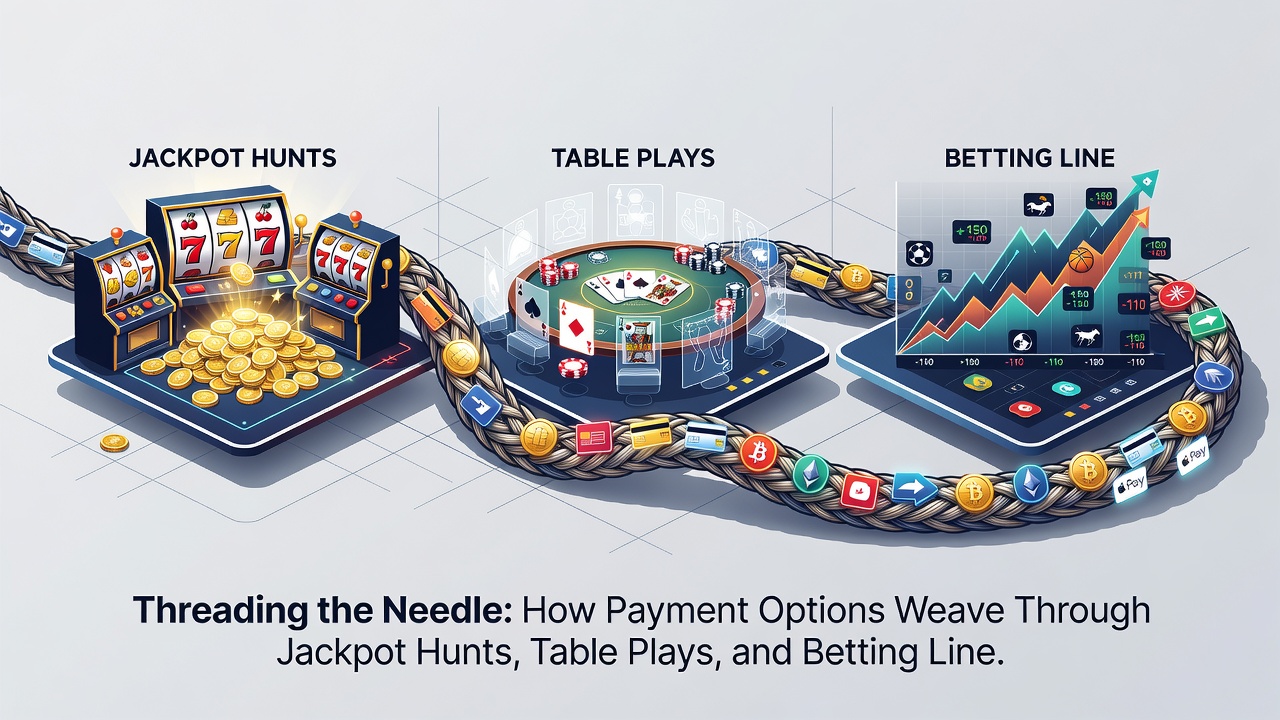
Those who study transaction logs find that players frequently open multiple wallets on a single device to route funds according to game demands. A jackpot session might draw from a crypto-linked option for near-instant top-ups, while table play shifts to a verified card for record-keeping purposes. Sports betting often uses the same accounts but triggers different fee structures that affect overall stake calculations. According to the American Gaming Association, mobile payment volume grew steadily through 2025 and into 2026 as operators refined these cross-category connections.
Regional Variations in Payment Adoption
European markets demonstrate strong preference for e-wallet solutions that thread smoothly across jackpot, table, and betting activities, whereas North American platforms show higher card usage for table game entries. Australian data points to rising interest in buy-now-pay-later services that let users manage larger sports wagers without immediate bank impact. Researchers discovered that regulatory timelines in each region influence which methods gain traction first, creating distinct patterns in how mobile users navigate the three main play types.
One case where experts tracked payment flows found that users who mastered multiple options across devices experienced fewer interruptions when moving from a slot jackpot chase to a blackjack table and then to a live odds bet. These transitions rely on backend systems that recognize game category and apply the appropriate security checks without forcing full re-authentication each time. Data shows platforms that streamline these handoffs report measurable increases in cross-game participation.
Security Layers and User Navigation
Security requirements add another thread to the payment weave because jackpot systems often permit quicker verifications while table and betting platforms enforce stricter checks to prevent disputes. Mobile applications embed biometric options that speed access yet maintain audit trails required by oversight bodies. Those who've examined compliance records note that August 2026 updates in several jurisdictions emphasized real-time monitoring of transaction patterns across all three game categories simultaneously.
Industry organizations such as the Responsible Gambling Council highlight how payment transparency tools help users track spending whether they focus on progressive slots, strategy-driven tables, or dynamic sports lines. These tools integrate directly into mobile interfaces so that deposit limits and withdrawal requests appear alongside game menus rather than in separate sections. The result is a unified view that lets players adjust their approach without leaving the active session.
Conclusion
Payment options continue to thread through jackpot hunts, table plays, and betting lines by matching transaction characteristics to the pace and verification needs of each activity. Mobile platforms refine these connections as new methods emerge and regional rules evolve. Evidence from multiple sources confirms that seamless integration across categories supports sustained participation while maintaining the distinct flow required by slots, tables, and sports markets alike.