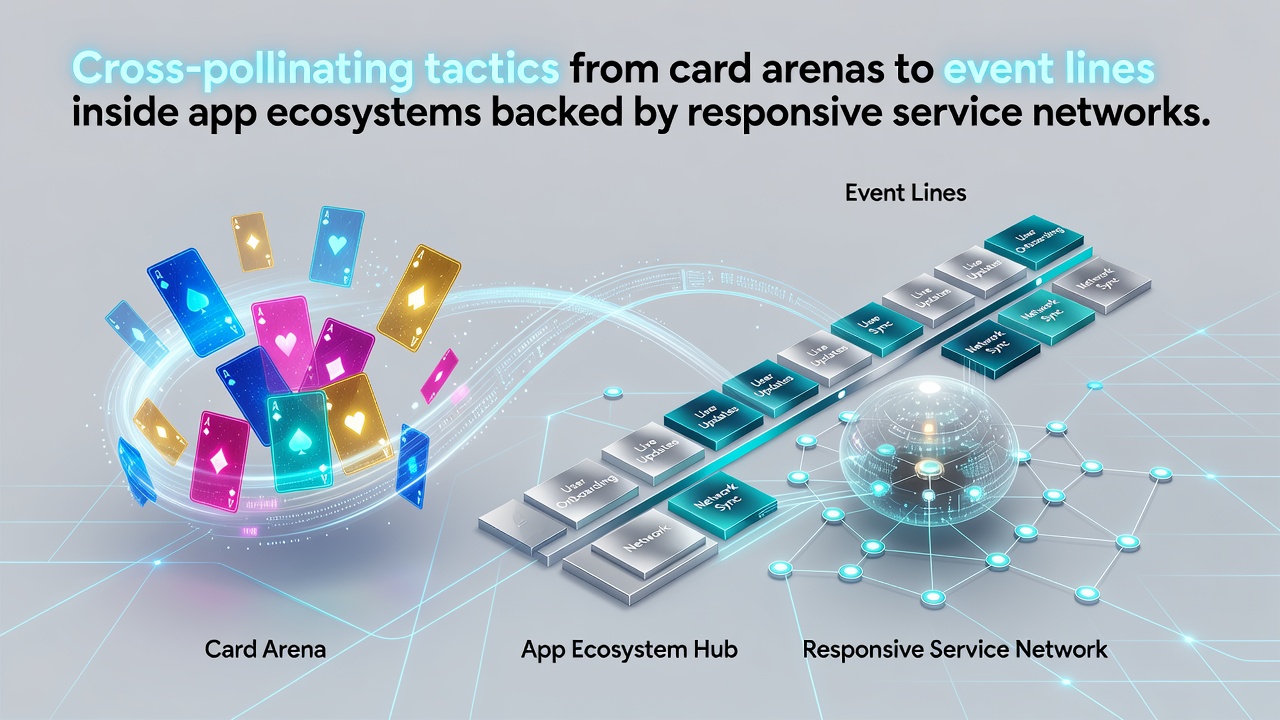
From Card Tables to Live Event Markets: Strategy Transfers in App Ecosystems with Support Networks
Card game tactics such as probability assessment, position play, and bankroll allocation have moved into event line wagering inside mobile app ecosystems, where responsive service networks provide continuous assistance. Observers note that these transfers occur because both card arenas and event markets rely on real-time decision making under uncertainty, and app platforms facilitate the shift through integrated tools that track odds, manage stakes, and deliver updates across sessions.
Core Elements of Card Arena Tactics
Players in card environments develop skills around reading opponents, calculating expected values, and adjusting aggression based on table dynamics. Research from the University of Nevada Reno's gaming studies program indicates that these same elements apply when users evaluate live event lines, since both formats demand rapid synthesis of available data. Data shows that bankroll management techniques honed at card tables reduce variance exposure when applied to event sequences that unfold over multiple periods or quarters.
Those who've studied this crossover point out that bluffing equivalents appear in event markets through selective line selection during high-volatility moments, while patience learned from long card sessions translates into waiting for favorable odds movements in app interfaces. Figures from industry reports reveal that users who carry these habits forward maintain steadier performance metrics across extended play periods.
Mapping Tactics onto Event Line Structures
Event lines in app ecosystems present layered options including spreads, totals, and player props that mirror the multiple decision points found in card play. Experts have observed that position-based strategies from card tables adapt directly to timing bets around key game events such as timeouts or momentum shifts. According to findings published by the Canadian Gaming Association, participants who apply card-derived discipline to event sequences demonstrate improved consistency in stake sizing and exit timing.
What's interesting is how card counting principles evolve into line shopping across different event markets within a single app session. Users compare implied probabilities from one market against another, much like adjusting ranges based on pot odds. This approach gains support from responsive service networks that supply instant clarifications on rule variations or settlement procedures when questions arise during active events.
App Ecosystem Infrastructure Enabling Transfers
Mobile platforms integrate tracking dashboards, notification systems, and historical data archives that allow seamless movement between card-style reasoning and event line evaluation. Observers note that these features reduce cognitive load, letting users focus on strategy application rather than interface navigation. In October 2026, several major app providers expanded cross-format analytics tools that display card session statistics alongside event line performance, creating unified views for participants.
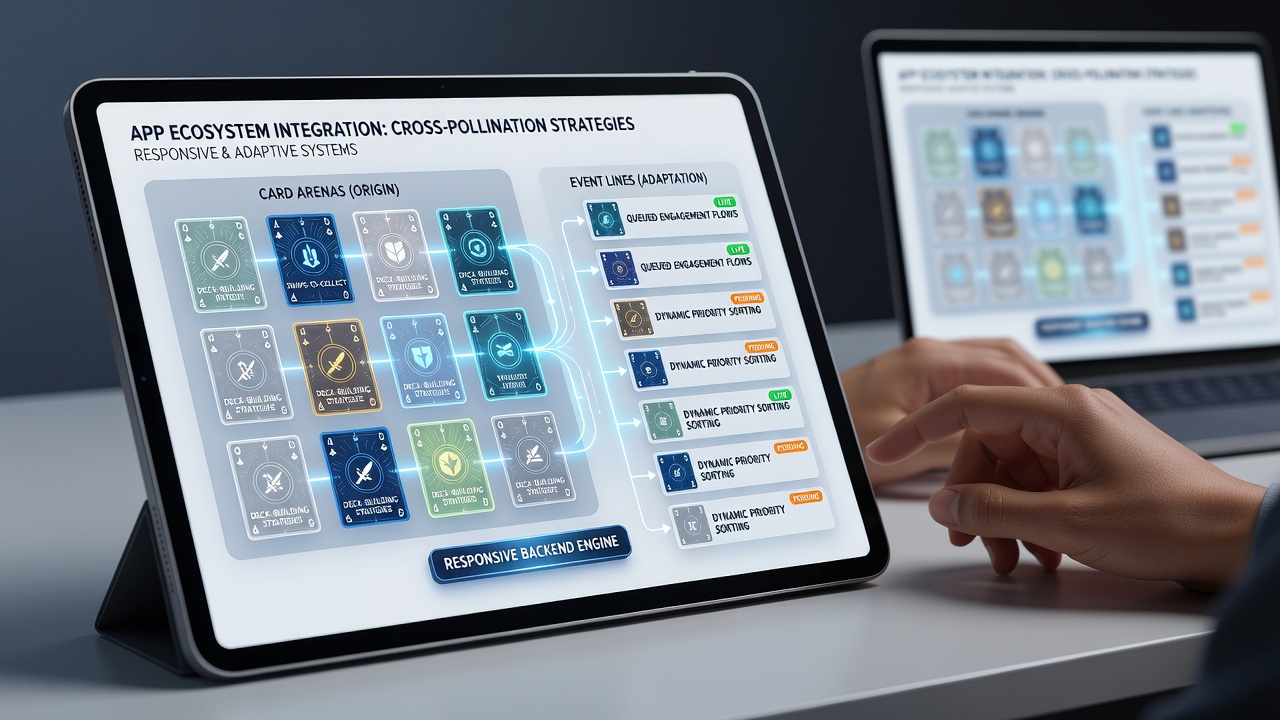
Service networks operate through chat, voice, and in-app messaging channels that respond within seconds to queries about market rules or technical issues. These networks back the tactic transfers by resolving disputes over line movements or settlement outcomes before they disrupt user flow. Data indicates that platforms with 24-hour response capabilities retain higher engagement rates among users who move between card and event formats.
Support Networks as Strategic Enablers
Responsive service networks do more than handle complaints. They supply contextual guidance that reinforces learned tactics, such as reminders about responsible stake limits drawn from card bankroll principles. Industry organizations including the European Gaming and Betting Association have documented how integrated support reduces user errors during complex event sequences that require simultaneous monitoring of multiple lines.
Take one case where experts found that real-time assistance during live events helped users apply card-derived position awareness to adjust bets mid-game without losing focus on overall session goals. Such interventions prove especially valuable in app ecosystems where rapid market updates can otherwise overwhelm decision processes.
Observed Patterns Across User Groups
Studies compiled by research teams at Macquarie University in Australia show measurable overlaps in performance metrics between dedicated card players and event line participants who share the same app environment. Patterns include similar session lengths, comparable variance management, and parallel use of pause features to reassess positions. Those patterns strengthen when service networks provide consistent access to historical data that mirrors card hand histories.
And the reality is that these transfers continue to expand as app developers refine tools that highlight statistical parallels between the two formats. Users benefit from unified reward structures that credit activity across both card arenas and event lines, encouraging continued application of proven tactics.
Conclusion
Cross-pollination of card arena tactics into event line wagering inside app ecosystems occurs through shared cognitive frameworks and platform features that support real-time adaptation. Responsive service networks sustain this movement by delivering immediate assistance that preserves strategic continuity. Data from multiple regional sources confirms that users who recognize these connections maintain more stable engagement across both formats, with infrastructure updates projected through late 2026 further streamlining the process.