
Exposed: Illegal Online Casino Network Bypassing UK GamStop, Drawing Millions Despite No License
The Unlicensed Empire Targeting UK Gamblers
A network of at least eight illegal online casinos, including well-known names like MyStake, Velobet, and Goldenbet, has come under intense scrutiny after an investigation revealed their aggressive targeting of UK players; these platforms, operated by Santeda International and connected to Georgian businessmen through Upgaming, pull in massive traffic by exploiting loopholes in self-exclusion systems such as GamStop.
What's interesting is how these sites, unlicensed in the UK and based in places like Curaçao, manage to attract an average of 2.3 million unique UK visitors each month between November 2025 and January 2026, according to detailed traffic data from The Guardian's April 2026 exposé; affiliate websites play a key role here, promoting the casinos while sidestepping GamStop's barriers that are meant to help problem gamblers stay away from betting sites.
And while UK-licensed operators must adhere to strict rules on player protection and responsible gambling, these offshore platforms offer no such safeguards; observers note that this leaves vulnerable individuals exposed to unchecked losses, with no mechanisms in place to detect or curb addiction.
How the Network Operates and Evades Restrictions
Santeda International stands at the helm of this operation, linking the casinos through a web of affiliates that funnel UK traffic directly to their doors; Upgaming, tied to Georgian businessmen, provides the backend tech that keeps the sites running smoothly, even as they dodge UK regulations by hosting servers far from British oversight.
Turns out, the affiliates are the real engine, crafting content and promotions tailored for UK audiences who might have self-excluded via GamStop; these middlemen sites advertise bonuses, fast payouts, and endless games, drawing in players who can't access licensed UK platforms because of their exclusion status.
Figures reveal the scale: over those three critical months from late 2025 into early 2026, the network racked up those 2.3 million monthly unique visitors from the UK alone, a number that underscores how effectively they bypass barriers; experts who've tracked online gambling patterns point out that such traffic rivals some legitimate sites, yet without any of the accountability.
But here's the thing with Curaçao licenses—they're notoriously lax, allowing operators to skirt anti-money laundering checks that UK laws demand; people who've studied these jurisdictions know that enforcement is minimal, meaning funds can flow freely without the rigorous verification required elsewhere.
Real Risks: From Addiction to Tragedy
teh human cost hits hardest in cases like that of Ollie Long, a 36-year-old who took his own life in January 2026 after suffering devastating losses on one of these platforms; his story, detailed in the investigation, highlights how the absence of self-exclusion enforcement turns gambling into a trap for those already struggling.
Without GamStop integration, players who sign up for self-exclusion on UK sites find themselves welcomed with open arms here; data indicates these networks don't even prompt for exclusion checks, letting sessions spiral unchecked, sometimes fueled by high-stakes slots, live dealers, or sports bets that keep the action going round the clock.
So, addicts slip through the cracks easily, while money launderers exploit the loose controls; researchers who've examined offshore gambling flows note that Curaçao-based sites often lack the transaction monitoring that flags suspicious activity, turning them into potential conduits for illicit funds mixed with legitimate bets.
One study on gambling harms, referenced alongside this exposure, estimates that problem gambling drains the UK economy by £1 billion to £2 billion each year, covering lost productivity, healthcare costs, and crime-related expenses; UK government figures back this up, showing the broader toll these unregulated operators exacerbate.
Affiliate Machine and the Georgian Connection
Affiliates form the backbone, with dozens of sites—some masquerading as review platforms—pushing traffic to MyStake and its siblings; these partners earn commissions on deposits and losses, incentivizing them to target excluded UK players specifically, often through SEO tricks and social media ads that evade ad blocklists.
Upgaming's role emerges clearly too, as the software provider powering the games and platforms for Santeda; linked to Georgian businessmen, this setup allows seamless operations across borders, with servers bouncing between jurisdictions to avoid shutdowns.
Now, in April 2026, as the story breaks, those who've followed the affiliate marketing world observe how these networks adapt quickly—shifting domains or rebranding when heat builds—yet the core traffic from the UK persists at alarming levels; the 2.3 million monthly uniques paint a picture of demand that licensed sites can't fully meet due to restrictions.
Calls for Action from UK Lawmakers
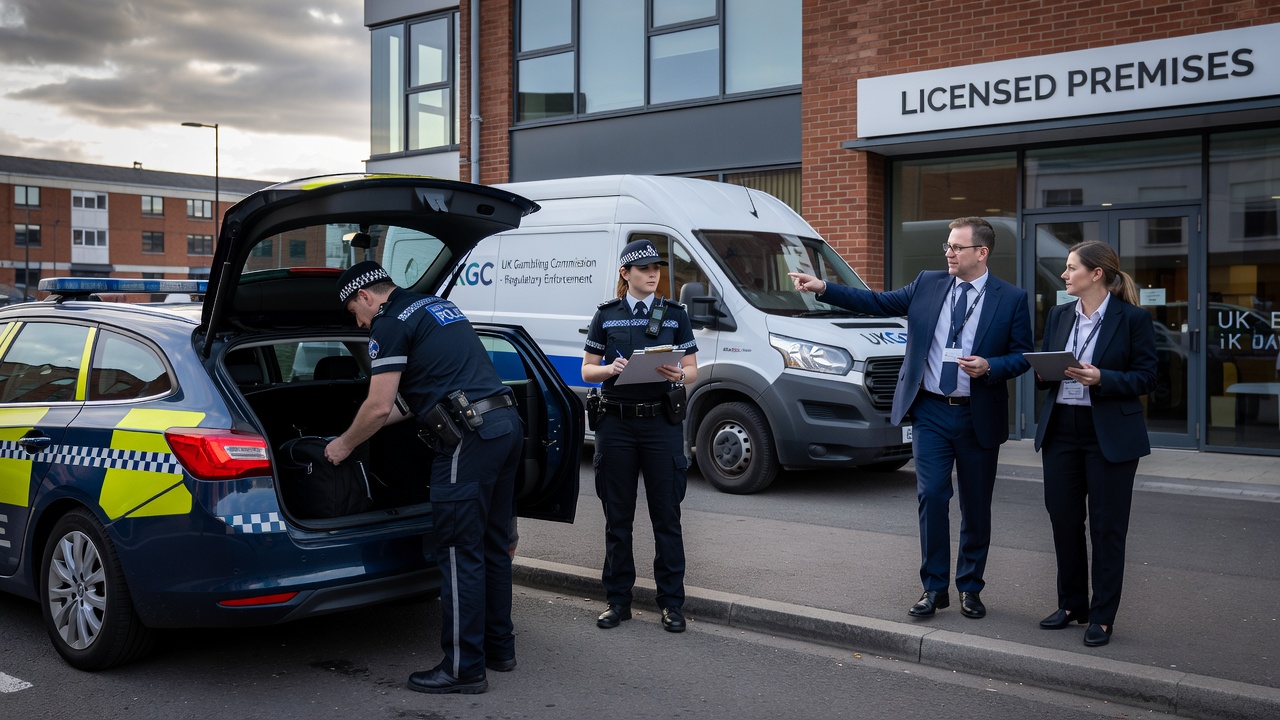
The Guardian's revelations in early April 2026 have ignited demands for tougher laws, with UK MPs voicing concerns over the GamStop loophole; they argue that while self-exclusion works for compliant sites, offshore predators undermine the entire system, preying on the most at-risk.
Parliamentary figures push for expanded powers, like blocking payments to unlicensed sites or mandating affiliate crackdowns; one MP highlighted Ollie Long's suicide as a stark reminder that current rules fall short, urging swift reforms to shield players from these invisible threats.
Government estimates on gambling harm—pegged at £1bn to £2bn annually—add weight to the calls, showing how illegal operators amplify societal costs; experts note that closing these gaps could redirect billions back into regulated, safer channels.
Yet enforcement challenges loom large, since Curaçao sites operate beyond UK reach; international cooperation becomes key, with some observers pointing to past efforts against similar networks that required cross-border takedowns.
Broader Implications for UK Gambling Landscape
This network's exposure lays bare vulnerabilities in the digital gambling world, where tech-savvy operators exploit borders and affiliates to reach excluded players; the eight-plus sites under Santeda, from Velobet to Goldenbet, exemplify a trend that's drawn millions despite zero UK licensing.
People who've analyzed traffic data see patterns repeating—peaks in late-night UK visits, heavy mobile usage, bonuses luring in the desperate; it's not rocket science that without protections, losses mount fast, as Ollie Long's case tragically proves.
And as MPs rally in April 2026, the ball's in the government's court to tighten GamStop, pursue affiliates, and pressure jurisdictions like Curaçao; until then, the 2.3 million visitors signal a market ripe for disruption, one that licensed operators watch warily.
Conclusion
The Santeda International network, with its MyStake, Velobet, and Goldenbet platforms, stands exposed for bypassing GamStop and reeling in 2.3 million UK uniques monthly, all while offering no safeguards against addiction or laundering; Ollie Long's January 2026 suicide underscores the stakes, fueling MP demands for reform amid £1bn-£2bn annual harm costs.
April 2026 marks a turning point, as investigations like The Guardian's push regulators toward action; the reality is clear—these offshore empires thrive on loopholes, but growing scrutiny could finally seal them shut, protecting players and bolstering the UK's safer gambling framework.