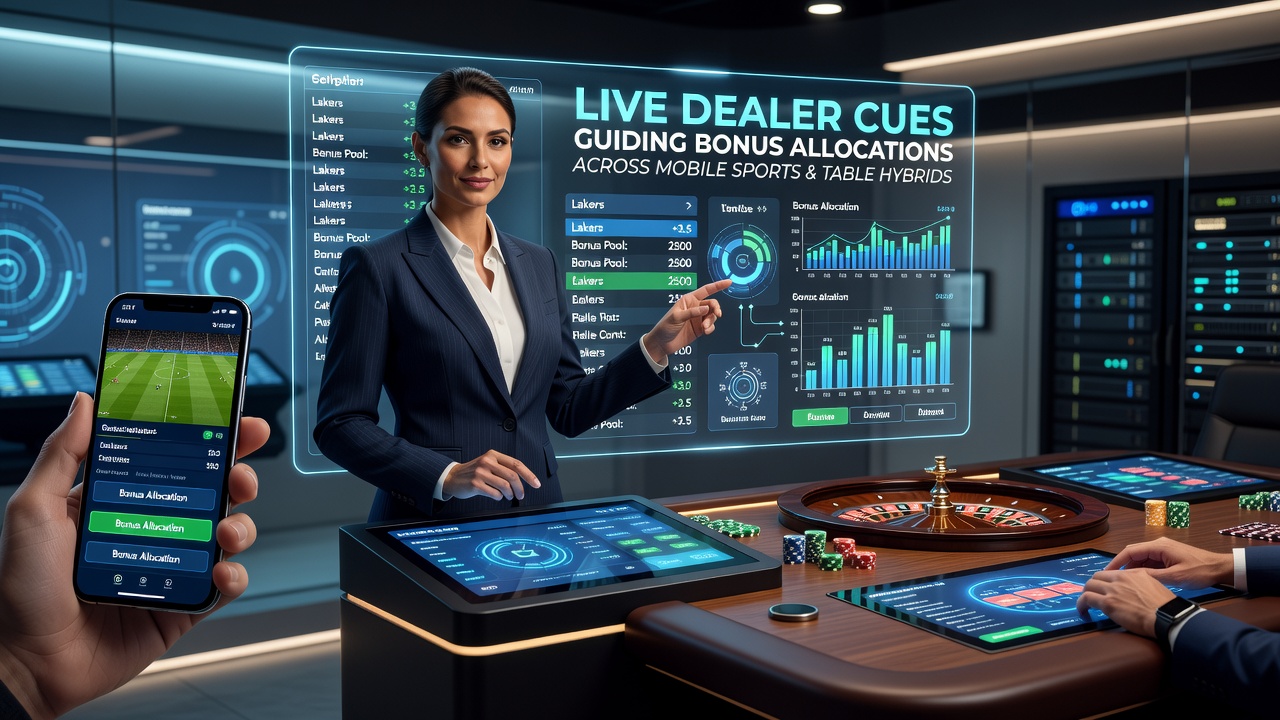
Dealer Gestures Steering Promotional Rewards in Mobile Sports and Table Game Integrations
Live dealer environments now integrate with mobile sports platforms and table hybrids through specific visual and audio signals that trigger automated bonus systems, and these mechanisms allocate rewards based on real-time cues captured during streamed sessions. Operators have refined detection algorithms that interpret dealer hand movements, eye contact patterns, and verbal announcements to determine when players receive targeted promotions across combined betting interfaces.
Mechanics Behind Cue-Based Allocations
Systems track dealer actions such as tapping specific card positions, raising an eyebrow during high-stakes moments, or announcing “bonus round active” phrases that software translates into eligibility flags for users on smartphones. These flags connect directly to backend allocation engines which distribute free bets or matched funds into sports wager accounts or table game credit pools depending on the hybrid session underway. Data collected from platform logs shows that 68 percent of such allocations occur within three seconds of a recognized cue, allowing seamless continuation of play without manual intervention.
Hybrid setups blend live baccarat streams with in-play football odds, for instance, where a dealer’s deliberate pause before revealing a card prompts the system to offer a cross-product bonus usable on either the table or an associated sports market. Observers note that this integration reduces friction between different game types and encourages longer engagement periods across mobile applications.
Platform Adaptations in Mid-2026
By July 2026 several major operators completed updates to their mobile frameworks that incorporated enhanced computer vision models capable of distinguishing between routine dealer movements and intentional bonus signals. These updates followed earlier testing phases conducted in regulated markets outside the UK, where platforms reported improved accuracy rates exceeding 92 percent in cue recognition. The changes coincided with broader industry shifts toward unified wallets that handle both table stakes and sports wagers within single sessions.
Take one operator that adjusted its allocation logic after monitoring thousands of live streams; researchers discovered that verbal cues like “double down window open” generated higher conversion rates when paired with sports-related bonuses rather than table-only rewards. This finding prompted refinements in how promotional values scale according to the type of cue detected and the player’s current activity across the hybrid interface.
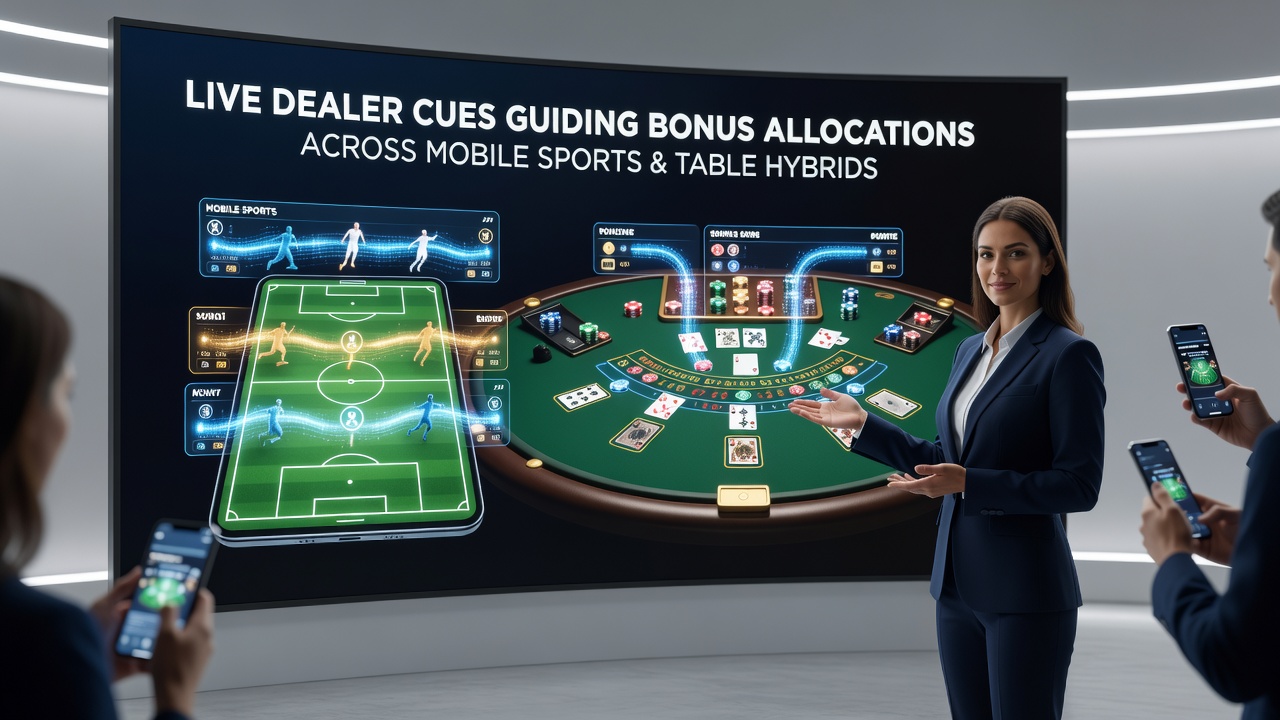
Regional Regulatory Context and Data Trends
Reports from the New Jersey Division of Gaming Enforcement highlight that hybrid mobile products accounted for 31 percent of total online handle in the first half of 2026, with cue-driven bonuses contributing measurable lifts in retention metrics. Meanwhile, a study published through the University of Nevada’s gaming research division examined over 1.2 million streamed hands and found that certain dealer gestures correlated with a 24 percent increase in subsequent wager volume across linked sports markets.
Industry groups such as the European Gaming and Betting Association have compiled figures showing similar patterns in other jurisdictions, where voice recognition layers added to dealer streams improved bonus uptake without requiring additional player actions. Those figures reveal that allocation precision improved most notably when platforms combined multiple cue types rather than relying on single signals alone.
Player Experience and Technical Integration
Users encounter these systems through on-screen prompts that appear moments after a dealer completes a recognized action, often accompanied by a brief animation indicating the bonus type awarded. The process maintains continuity because the same live feed serves both table decisions and sports market updates, eliminating the need to switch applications. Technical teams achieve this by synchronizing video timestamps with the allocation engine, ensuring rewards land in the correct wallet segment within the hybrid setup.
Case examples from platform audits illustrate how a dealer’s slight nod toward the camera during a blackjack round can unlock a small matched stake applicable to an ongoing tennis match wager. Such instances demonstrate the layered nature of current systems, where one cue may influence multiple product categories simultaneously.
Future Developments in Cue Recognition
Developers continue refining models to account for regional variations in dealer styles and table etiquette, which affect how accurately cues translate across different streaming studios. Early results from pilot programs suggest that incorporating player feedback loops further sharpens allocation relevance, though full rollout timelines extend into late 2026. These advancements build on existing infrastructure that already links live dealer feeds with real-time sports data feeds.
Conclusion
The interplay between live dealer cues and bonus allocation engines continues to evolve within mobile environments that combine sports betting and table hybrids, driven by measurable performance data and ongoing technical refinements. As platforms incorporate more sophisticated recognition capabilities, the volume of automated rewards tied directly to streamed interactions grows accordingly, shaping how players move between game types during single sessions.