Cross-Platform Reward Synchronization in Athletic Wagering and Real-Time Table Engagements
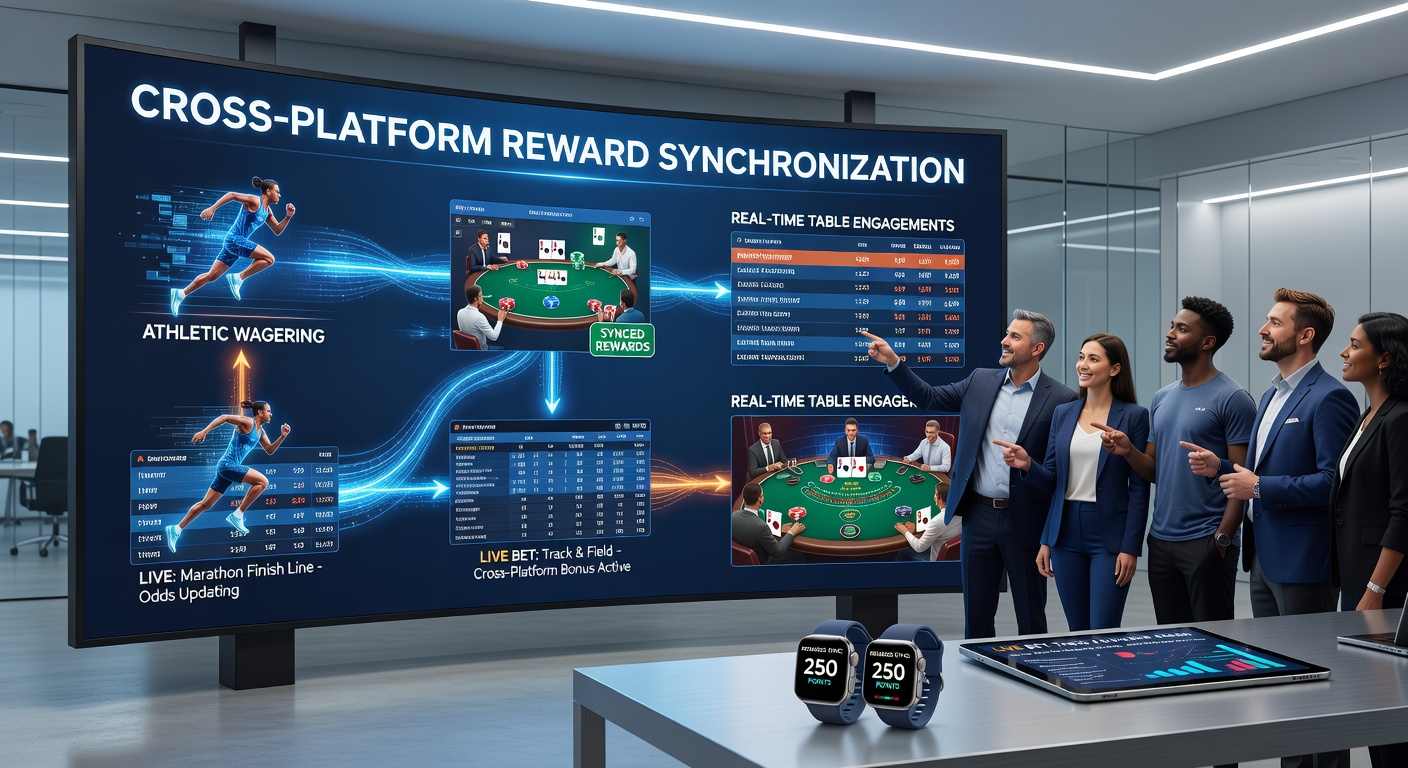
Operators in the gambling sector have developed systems that align loyalty points and promotional credits between athletic wagering platforms and real-time table engagements. These setups allow participants to earn and redeem rewards without interruption when switching between sports markets and live dealer sessions. Data from industry implementations shows that unified account ledgers track activity across mobile apps and browser-based interfaces.
Mechanics of Reward Alignment
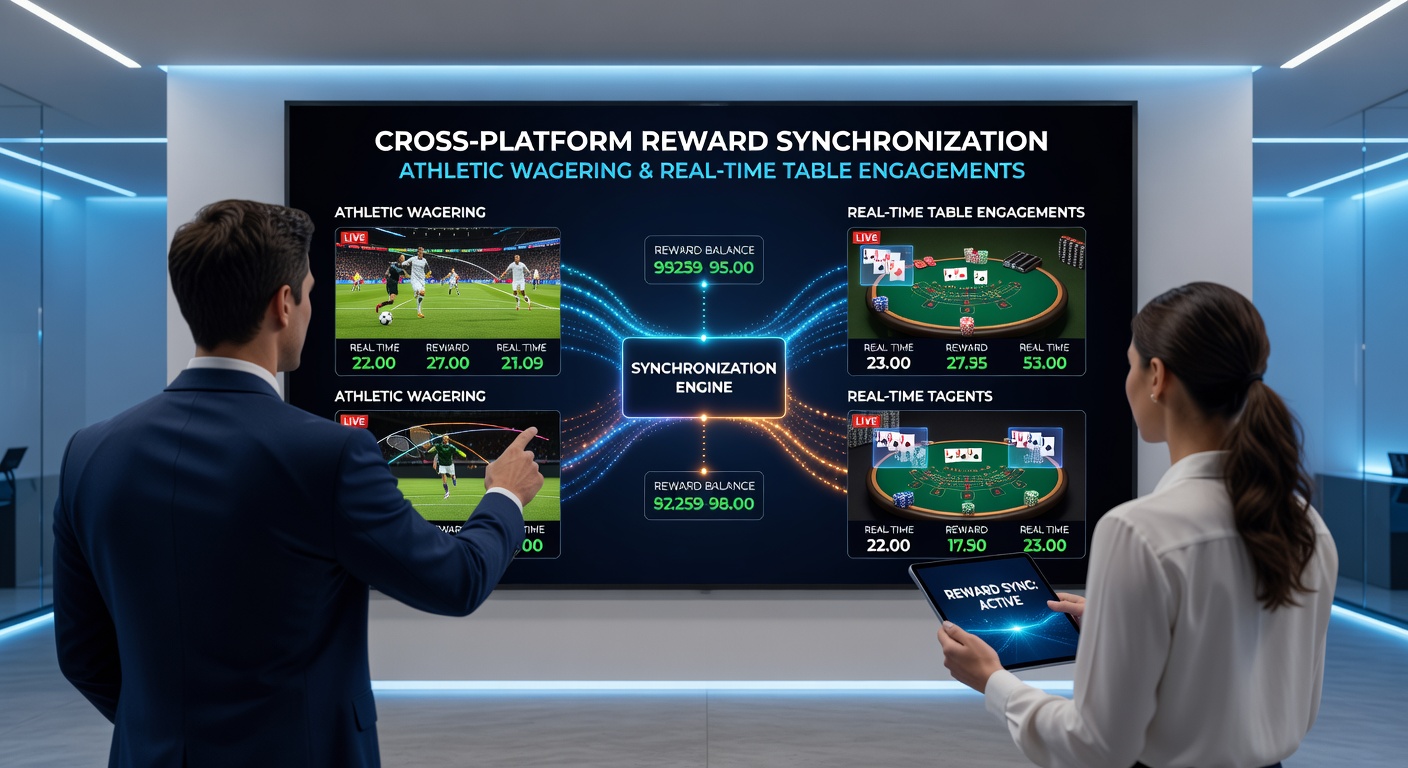
Account profiles store accumulated points from bets placed on athletic events alongside those generated during card and wheel sessions. When a user completes a wager on a football match the system logs the activity and applies the same multiplier rules used in live blackjack rounds. Researchers at various academic centers have documented how application programming interfaces connect backend databases so that balance updates occur within seconds of each transaction.
Operators integrate these connections through centralized servers that pull data from separate game providers. One study conducted by the Nevada Department of Business and Industry found that synchronized ledgers reduced duplicate login requirements by nearly forty percent in tested environments. Participants therefore move from placing an odds-based selection to joining a roulette table without needing to transfer credits manually.
Implementation Across Device Types
Users access athletic wagering through dedicated smartphone applications while real-time table sessions often run on web browsers or separate casino software. Synchronization protocols ensure that progress toward tiered loyalty levels registers identically regardless of entry point. Figures released by the European Gaming and Betting Association indicate that platforms employing these protocols recorded higher session durations compared with those maintaining isolated reward pools.
Developers apply timestamp synchronization and encrypted data packets to maintain consistency during peak traffic periods. When a live dealer game concludes the outcome feeds directly into the shared reward engine that also services sports betting ledgers. This approach prevents discrepancies that previously arose when separate systems processed the same player activity on different schedules.
Regional Developments Through Mid-2026
Regulatory frameworks in several jurisdictions now require operators to demonstrate accurate cross-platform tracking before issuing new licenses. In May 2026 authorities in select Australian states began reviewing compliance reports that detail how reward engines handle simultaneous activity in sports and table categories. These evaluations focus on data integrity and player fund protection rather than prescribing specific technical solutions.
North American markets have seen similar attention from state gaming boards that examine audit trails for synchronized promotions. Observers note that standardized reporting templates help regulators verify whether points earned on one platform translate correctly to another. Industry reports compiled by the American Gaming Association highlight ongoing trials that measure redemption rates across combined sports and live game offerings.
Technical Standards and Data Handling
Modern systems rely on secure token exchanges and real-time event listeners to update reward balances. Each completed athletic wager or table round triggers an immediate call to the central ledger which recalculates available credits. Research papers from university gaming laboratories describe how these listeners operate with sub-second latency even when thousands of concurrent sessions occur.
Encryption standards protect the transmission of player identifiers and transaction details between disparate game servers. Operators conduct regular penetration testing to confirm that synchronization pathways remain resistant to unauthorized access attempts. Data compiled by independent testing agencies shows that platforms meeting these standards experience fewer disputes related to missing or delayed rewards.
Player Account Management Practices
Participants create single profiles that encompass both athletic wagering history and table engagement records. The unified view displays accumulated points alongside progress toward monthly or seasonal targets. Support documentation from major operators explains how users can review combined statements that list contributions from sports selections and live dealer outcomes in chronological order.
Automated alerts notify users when thresholds for bonus unlocks approach across either category. These notifications arrive through the same mobile application or browser session used for gameplay. Records maintained by platform administrators indicate that such alerts correlate with increased cross-category participation without requiring separate promotional campaigns for each vertical.
Conclusion
Cross-platform reward synchronization continues to evolve through refined data protocols and regulatory oversight. Systems now link athletic wagering activity with real-time table engagements so that loyalty mechanics function consistently across devices and game types. Reports from regulatory bodies in multiple regions document steady adoption of these unified frameworks through 2026 and beyond.